Moon Dust: The Lunar Surface's Mysterious Powder
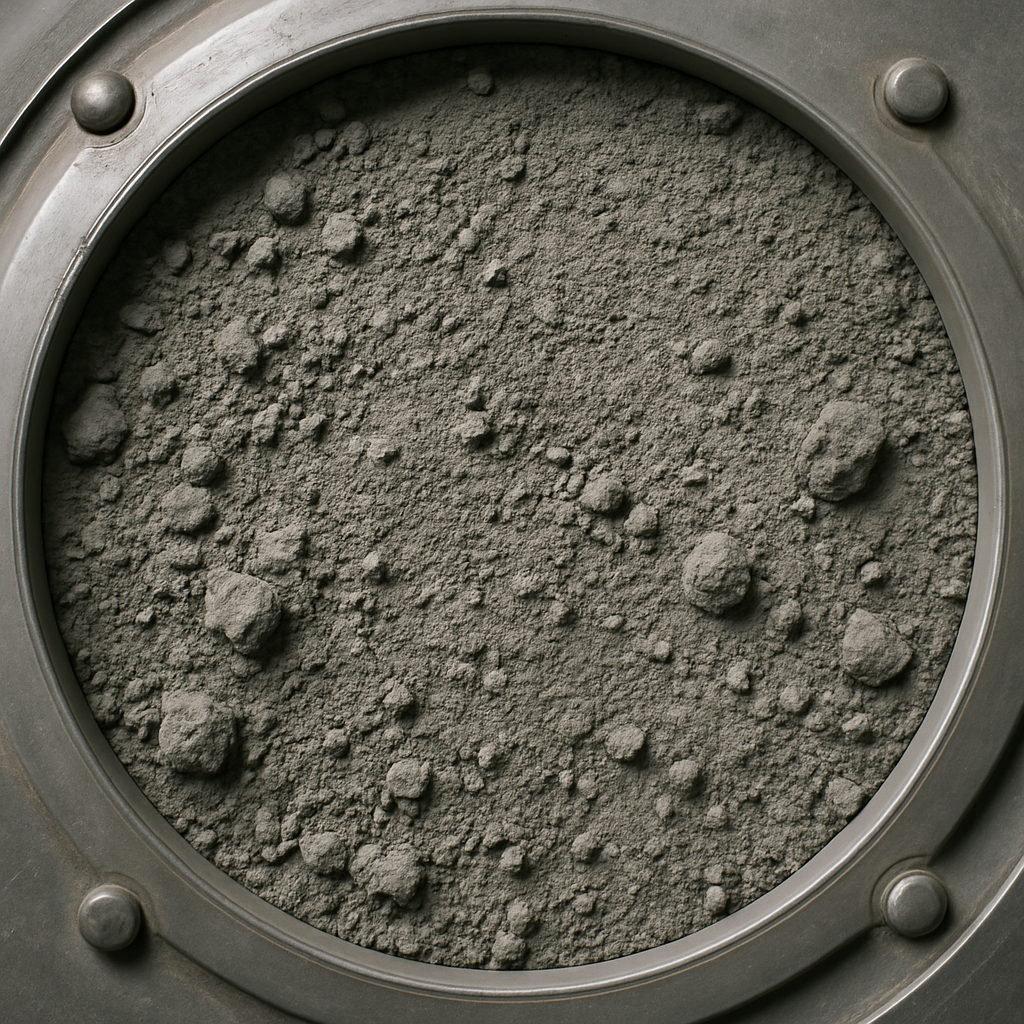
Moon dust, also known as lunar regolith, is a fine, powdery substance that covers the surface of the Moon. Unlike Earth soil, moon dust is formed by billions of years of meteorite impacts, which pulverize rocks into tiny, jagged particles.
Unique Properties
- Sharp and abrasive: Moon dust grains are not smoothed by wind or water, making them sharp and clingy.
- Electrostatic charge: Sunlight can give moon dust an electric charge, causing it to levitate and stick to surfaces—including spacesuits and equipment.
- No organic material: Unlike Earth soil, moon dust contains no plant or animal matter.
Challenges for Exploration
Astronauts on the Apollo missions found moon dust to be a significant challenge. It stuck to their suits, scratched visors, and even clogged equipment. Understanding and managing moon dust is a key concern for future lunar missions.
Why Study Moon Dust?
Studying moon dust helps scientists learn about the Moon’s history, the effects of space weathering, and how to design better technology for lunar exploration. It may even hold clues to the early solar system.